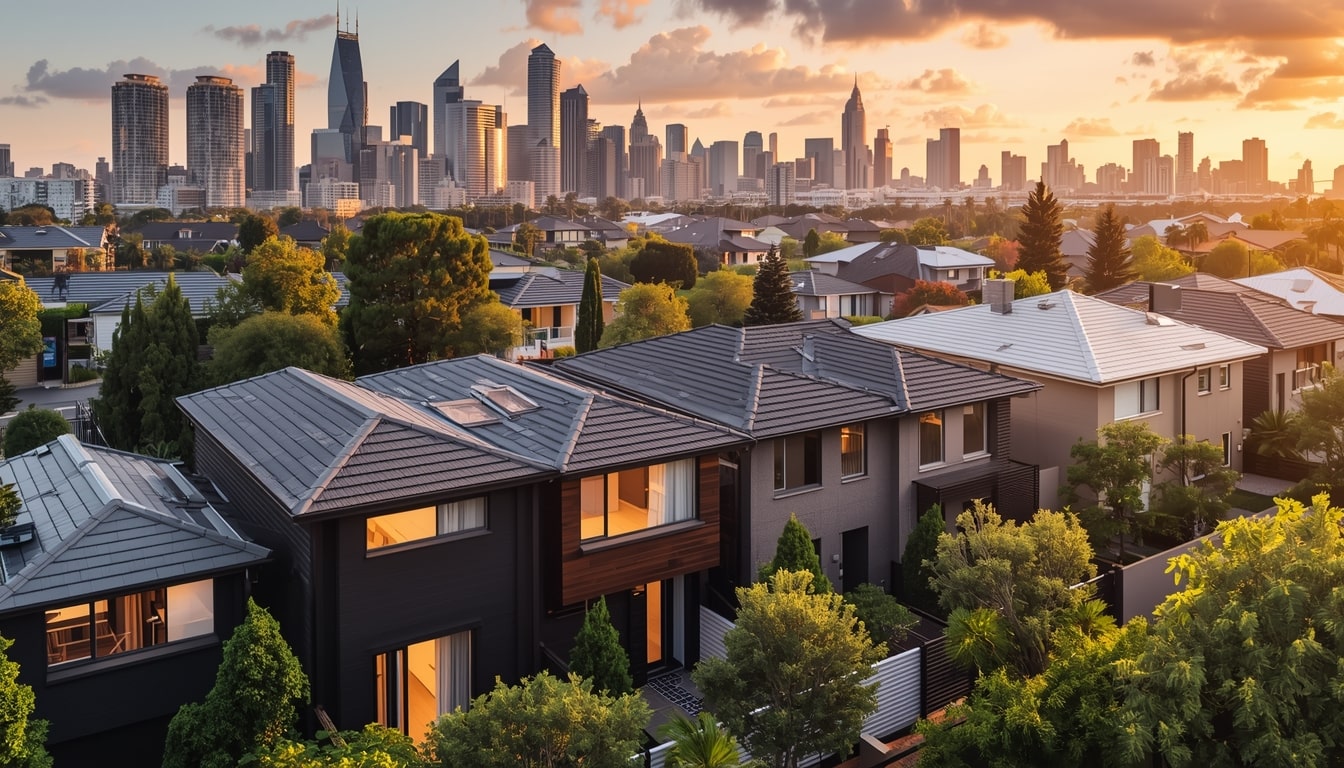
Following a significant revival in Australia’s second-largest city, the Melbourne property market is seeing a resurgence of first-home buyers as of early 2026, owing to recent policy changes and stabilising economic conditions.
Analysts say that the increased First Home Guarantee program, which takes effect on January 1, has reduced deposit requirements and minimised income limits, bringing younger buyers back into the market after years of being locked out due to affordability.
Policy Boost Fuels Demand
It has been critical for the federal government to increase incentives for first-home buyers. The increased property price limits have now enabled more aspiring homeowners to be eligible for help, and could bring up to 20,000 buyers nationwide on board in the first year of the scheme.
This has seen more action in the outer suburbs and regional fringes of Melbourne, where median prices are more affordable than in the hot spots of the inner cities. According to real estate agents, the number of inquiries for townhouses and entry-level houses has skyrocketed, and crowds at open houses have been larger than ever since the pandemic.
Market Trends: Nondirectional
The overall property values in Melbourne increased by more than 8% last year, though December 2025 saw a slight 0.1% decline, marking the first negative result in almost two years. Analysts attribute the short-lived decline to ongoing cost-of-living pressure and rising interest rates.
Nevertheless, the demand exceeds supply, especially in middle-ring family areas, and thus prices are expected to rise by about 10% by 2026. The market is also constrained by low vacancy rates and record-low building approvals, giving sellers an upper hand in competitive auctions.
Buyers Continue to Face Challenges
The fact that first-home buyers have been coming back is encouraging, but affordability remains an issue. The median home in Melbourne is way beyond the typical annual income, 10 times higher than it was decades ago.
Competition is driven by investors who returned in large numbers at the end of 2025, and this increases the price as there is anticipation of a rate cut later this year. Among younger demographics experiencing wage stagnation and saddled with student debt, inner-city apartments are affordable, even amid the oversaturation of high-rise buildings.
Outlook for 2026
In the long term, Melbourne will continue to grow steadily, with growth higher than the rest of the country, as the new population attracts technological and healthcare innovation and creates employment opportunities.
The best gains might be in the city neighbourhoods, which provide value to new clients. There is, however, a risk of a potential rate increase, and economists predict a cooler market if inflation persists. To date, the change highlights a broader recovery, which gives hope to the long-marginalised people who cannot own a home.