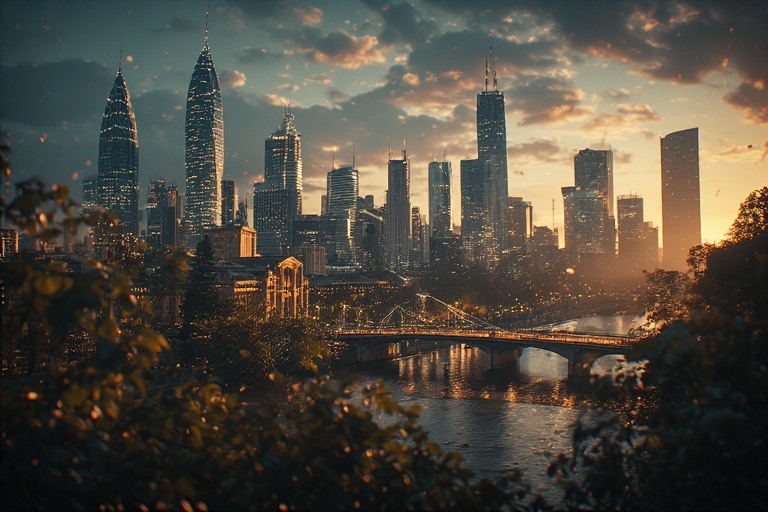
Melbourne is having a moment and it shows no sign of slowing down. In 2026, Australia’s second-largest city is drawing global attention for its thriving arts scene, landmark infrastructure investments, and a food culture that routinely tops international rankings. With a population now exceeding five million, Melbourne is growing faster than ever while working hard to preserve the neighbourhoods and character that have long made it special.
A Cultural Powerhouse at Its Peak
No city in Australia rivals Melbourne when it comes to cultural output. The city’s calendar this year is packed, featuring international exhibitions at the National Gallery of Victoria, a revitalised Melbourne International Arts Festival, and a live music circuit that has bounced back strongly following recent years of disruption. The famous laneways Hosier Lane, Centre Place, and dozens more continue to attract visitors from around the world who come specifically to experience Melbourne’s world-class street art.
The café culture remains a point of local pride. Specialty coffee roasters, family-run restaurants in Fitzroy and Carlton, and a weekend farmers’ market scene stretching from the inner suburbs to the Dandenong Ranges give Melbourne a culinary identity that feels authentic rather than engineered for tourists.
Urban Development Reshaping the City
Melbourne’s skyline is changing at pace. Major urban renewal corridors in Fishermans Bend and the Arden precinct in North Melbourne are attracting billions of dollars in mixed-use development. These projects aim to add tens of thousands of new homes and workplaces within walking distance of the city centre, easing pressure on outer suburban sprawl while creating new, walkable communities.
Public transport remains a central focus. The Metro Tunnel project, now fully operational, has dramatically cut travel times across the city and opened up previously underserved communities in Melbourne’s west and south-east to faster CBD access. City planners are already drawing up extensions to handle demand expected well into the 2030s.
Tourism and the International Stage
Visitor numbers to Melbourne have rebounded strongly. The city welcomed a record number of international tourists in the 2025–26 financial year, with travellers from Southeast Asia, the United Kingdom, and the United States all increasing year-on-year. The Australian Open continues to be Melbourne’s signature global event, drawing hundreds of thousands of attendees and billions of viewers worldwide to the city every January.
Tourism Victoria has also invested significantly in promoting regional day trips from Melbourne to the Great Ocean Road, the Yarra Valley wine region, and the Mornington Peninsula giving visitors more reasons to extend their stay and explore Victoria beyond the city limits.
Looking Ahead
Challenges remain. Housing affordability continues to squeeze first-home buyers and renters alike, and the city is grappling with questions about how to manage growth sustainably while maintaining liveability. Yet Melbourne has a track record of tackling big problems with creativity and community input. With new leadership at the City of Melbourne and a fresh wave of investment in green spaces, cycling infrastructure, and public amenity, the outlook for this resilient city remains unmistakably bright.
For anyone who has not visited Melbourne recently or ever 2026 is shaping up to be a very good year to come and see what all the fuss is about.