AFL finals season is nearly here: a newcomer's guide to September in Melbourne
For one month a year, football quietly reorganises the city. If you are new to Melbourne, here is what the finals actually are, and why the last Saturday of the season stops the town.
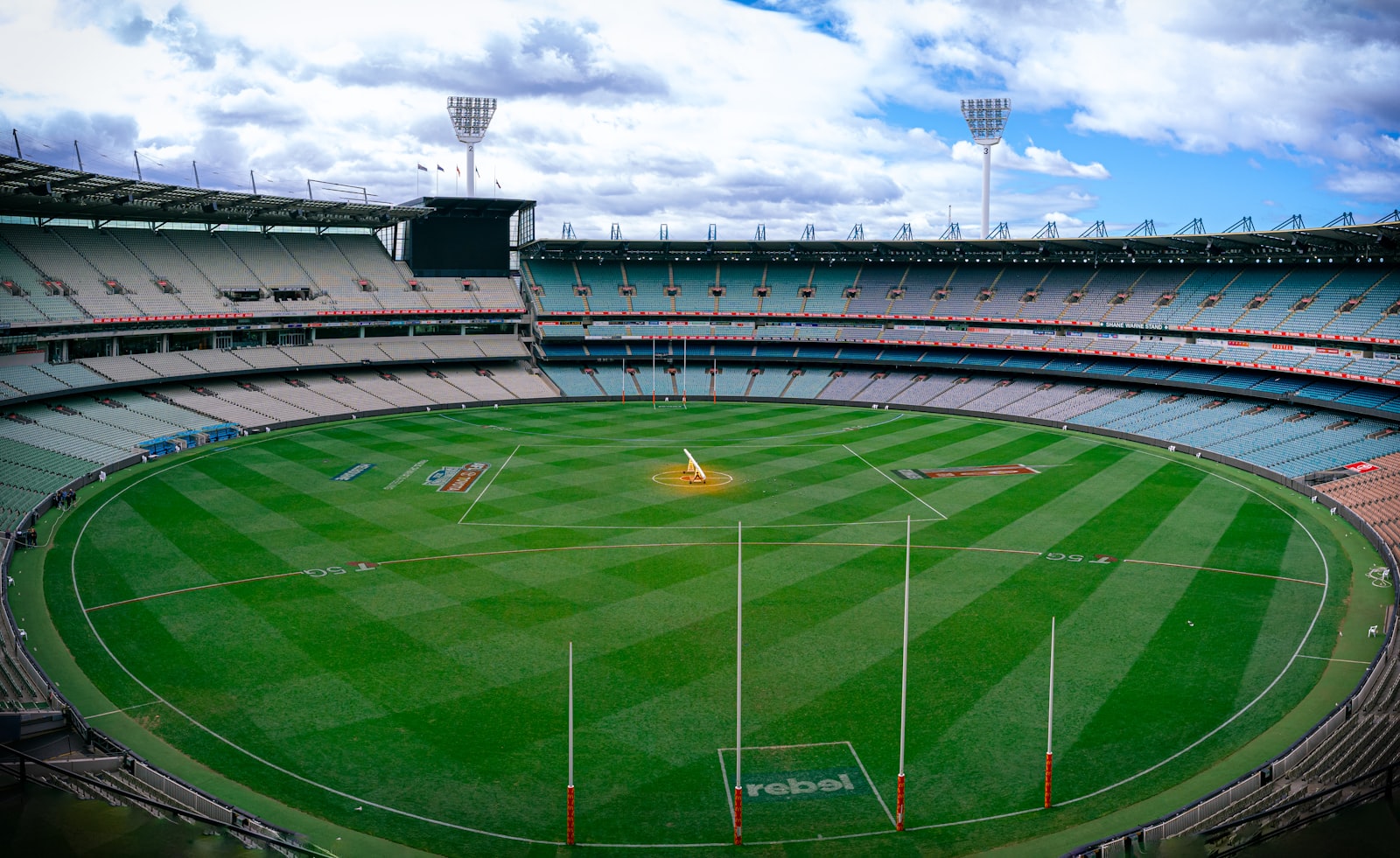
The short version: the Australian Football League finals run across September, the season ends with the Grand Final at the Melbourne Cricket Ground, and Melbourne treats the whole thing as a civic event rather than just a sporting one. If you have just moved here, this is the month the city’s mood most visibly turns on a game.
Australian rules football is Melbourne’s home sport in a way that is hard to overstate, and the finals are its peak. You do not need to follow a team to feel it - the finals shape what is on television in every pub, what people talk about at work, and, on Grand Final weekend, whether the city is at work at all. This guide explains the shape of it for anyone experiencing a Melbourne September for the first time.
What are the AFL finals?
The finals are a knockout series contested by the season’s top eight teams across September, narrowing week by week to two. The home-and-away season runs from March to late August; the finals then play out over four weekends, ending in the Grand Final.
The key thing to understand is the scale. The MCG - the ground most finals are played at, and where the Grand Final is held - is one of the largest stadiums in the world, and finals routinely fill it. It sits a short walk from the city centre in Yarra Park, and on match days the whole eastern edge of the CBD moves with the crowd.
When is the Grand Final, and why does it matter to everyone?
The AFL Grand Final is traditionally held on a Saturday in late September or early October at the MCG, and it is one of the biggest single-day sporting events in the country. For newcomers, two things about it are worth knowing.
It comes with a public holiday. Victoria marks the occasion with a public holiday on the Friday before the Grand Final - “Grand Final Friday” - which in practice gives the state a long weekend built around a football match. Exact dates are set each year, so it is worth checking the Victorian public holidays list rather than assuming.
The city leans into it. The Friday holiday is built around a public celebration, including a parade through the city, and the day itself empties offices and fills lounge rooms, pubs and backyards. Even people with no team watch it.
Do you need a ticket, or even a team?
You need neither to take part. Grand Final tickets are famously hard to come by and are largely spoken for through club memberships and the AFL, so most of Melbourne watches the same way: at a pub, at a barbecue, or at one of the free public screenings the city tends to put on.
If you want to pick a team to make it mean more, the simplest approach is geographic or tribal - ask the people around you, and you will quickly find Melbourne is a city of inherited allegiances. Half the fun of the finals as a newcomer is watching otherwise reasonable colleagues become unreasonable about a jumper.
How does finals month change the city?
Expect football to become the ambient soundtrack for a few weeks. Beyond the obvious - packed pubs, sold-out grounds - the finals overlap with the tail of Melbourne’s winter cultural calendar, so there is plenty on for people who would rather do anything else. Our guide to a Melbourne winter weekend covers the indoor alternatives, and if you are near the MCG on a match day, the rooftop bars we cover in our CBD rooftop guide are a decent vantage point for the crowd if not the game.
A few practical notes for finals Saturdays:
- Public transport is busier than usual around the MCG and Richmond, before and after matches.
- Book pubs and restaurants near the ground early if you want a table with a screen.
- The Friday holiday means some shops, cafes and services run reduced hours - check before relying on them.
Why Melbourne, specifically?
Because the sport was born here and the city has never let go of it. Australian rules football grew out of Melbourne in the 19th century, and the MCG has been at the centre of it for generations. That history is why a single Saturday can still, in effect, pause a city of five million people.
You do not have to become a convert. But if you are spending your first spring in Melbourne, the finals are the clearest window you will get into how the city sees itself - and the easiest local conversation you will ever start.