How Melbourne Decides What's Street Art and What's Vandalism
Behind the famous laneways is a system of permits, permissions and council policy that quietly separates celebrated street art from a criminal offence.
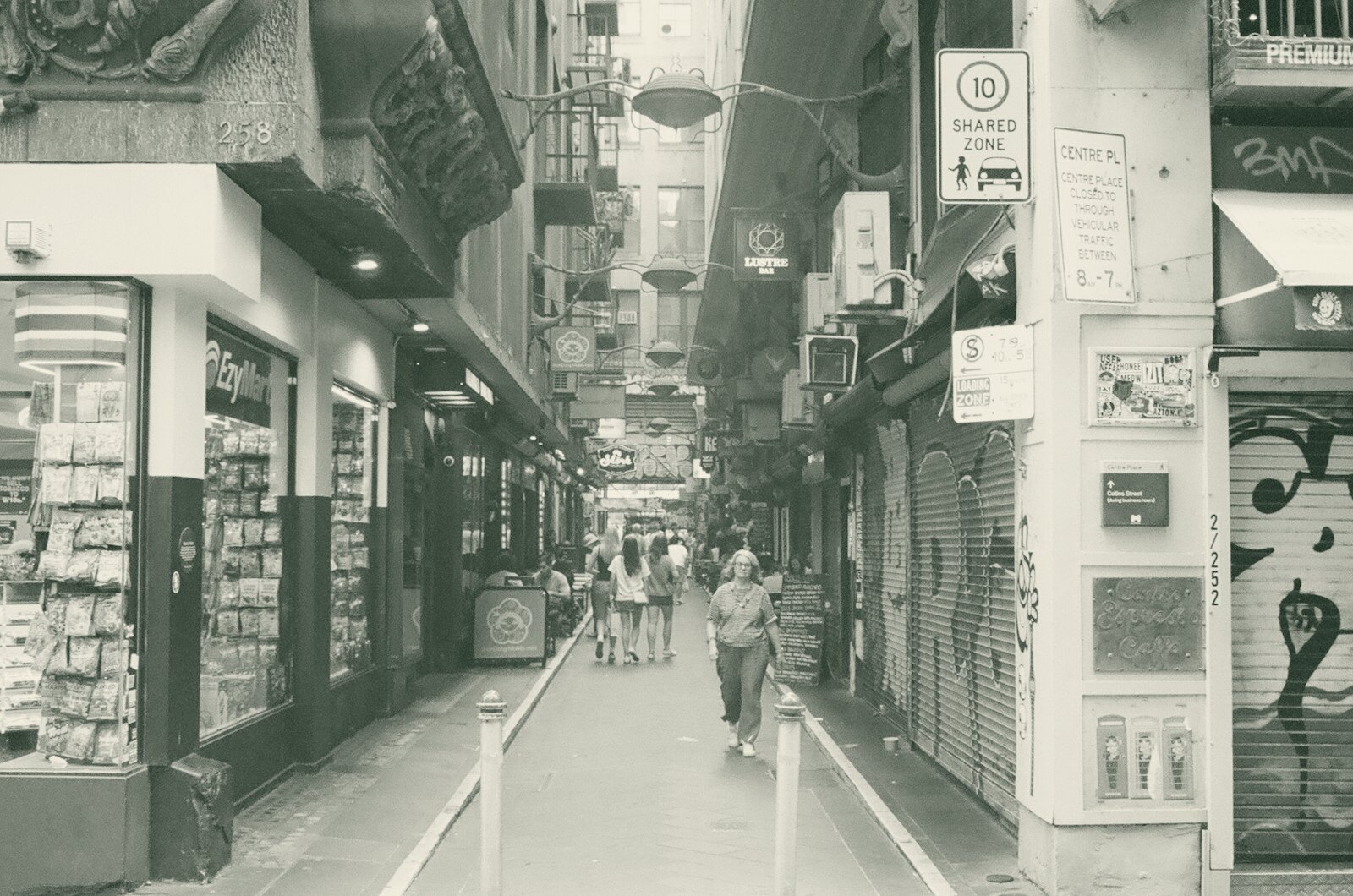
Two words, one wall, very different outcomes
To a passer-by, a spray-painted wall in a Melbourne laneway can look much the same whether it is legal or not. But under Victorian law, “street art” and “graffiti” are treated very differently, and the difference almost always comes down to one thing: consent. If the owner of a wall has given permission for it to be painted, the work is generally considered street art. If there is no permission, it is graffiti, and applying it is a criminal offence regardless of how skilled or attractive the result is.
This distinction matters because Melbourne’s reputation for laneway art did not happen by accident. It grew alongside a set of local rules that gave property owners, artists and councils a workable way to allow creative work on walls without opening the door to unlimited tagging.
The role of the City of Melbourne
The City of Melbourne has, for many years, run policies aimed at managing graffiti while supporting street art as a legitimate creative practice. In practice this means council officers distinguish between unwanted graffiti, which it works to remove, and sanctioned or commissioned street art, which it can support or leave in place. Some of the most photographed laneways, including sections of Hosier Lane and AC/DC Lane, sit within this managed framework, where building owners have effectively opened their walls to changing works rather than trying to keep them blank.
Councils also maintain graffiti management plans, which set out how they will respond to reports of unwanted tagging on public and private property, including timeframes for removal from council-owned assets. These plans are periodically reviewed, so the detail of who is responsible for removal, and how quickly, can change. Anyone dealing with a graffiti problem on their own property should check current guidance directly with the City of Melbourne rather than relying on assumptions.
Why permission is the legal hinge point
Under Victorian law, the offence is generally about marking property without the consent of the owner or occupier, not about artistic merit. This is why a mural commissioned by a cafe owner and a tag sprayed on the same building overnight can sit on opposite sides of the law, even though both involve paint and a wall. It also explains why so much of Melbourne’s celebrated street art exists in laneways rather than on, say, heritage-listed facades or train stations: those sites are far less likely to have an owner willing to grant permission, and penalties for damaging heritage or public infrastructure can be more severe.
Property owners who want to allow street art on their building are, in effect, opting into an informal arrangement. Many understand that once a wall is opened up this way, it may be repainted repeatedly by different artists over time, and that laneway art is generally treated as temporary rather than permanent. This turnover is part of what keeps areas like Hosier Lane feeling alive: today’s mural is rarely there in a year’s time.
Commissioned art versus organic laneway culture
Over time, a second layer has grown alongside the informal laneway scene: formally commissioned public art. Councils, developers and business associations sometimes engage artists directly to produce large-scale murals or installations, which are then treated as permanent or semi-permanent public artworks with their own maintenance arrangements. This is a distinct process from the ad hoc, artist-led painting that fills many laneways, and it usually involves contracts, approvals and sometimes heritage or planning considerations if the site is significant.
This dual system, informal laneway painting on consenting private walls alongside formally commissioned public works, is part of why Melbourne’s street art can look so varied, from fast, ephemeral stencil work to large murals that stay in place for years.
What this means if you want to add to a wall
Anyone thinking about painting a wall in Melbourne, whether as a visiting artist or a local resident, needs written or otherwise clear permission from the property owner before doing so. Council-run programs and permit systems do exist in some areas to formalise this, and community arts organisations can sometimes help connect artists with willing wall owners. Because policies, contact points and permit processes are reviewed periodically, the practical first step is checking current guidance from the City of Melbourne’s own website rather than assuming last year’s process still applies.
Where to check the current rules
Because offences, penalties and council processes can be updated, readers should treat any specific figures or procedures as needing verification. The City of Melbourne publishes information on graffiti management and public art, and Victoria’s justice and consumer affairs resources outline how property offences are defined in law. These official sources are the most reliable starting point for anyone wanting the current, precise position rather than a general explanation.