How to Order Like a Local: A Practical Etiquette Guide to Melbourne's Multicultural Dining Precincts
From BYO wine to communal banquets, the unwritten rules that make eating out across Melbourne's diverse food strips easier and more enjoyable.
Staff writer
Priya Sundaram is a staff writer at MelbourneLyf.
She covers the city’s food and drink, its arts and culture, and the weekly business of working out what is actually worth doing. She has lived across Melbourne’s inner north and writes, for the most part, about places she has been to herself.
Her approach is simple: describe what somewhere is genuinely known for, check the details against a venue’s own page before pointing readers at it, and be honest about the things - opening hours, prices, menus - that change often enough to be worth confirming before you go.
She can be reached at priya@melbournelyf.com.
From BYO wine to communal banquets, the unwritten rules that make eating out across Melbourne's diverse food strips easier and more enjoyable.

It is not an accident that so many new apartment blocks rise along tram corridors, it is deliberate state planning policy, and understanding it helps explain why some streets are targeted for density and others are protected from it.
Long before house prices and cafe strips, it was 19th-century local government boundaries that carved Melbourne's inner suburbs into distinct identities, and the effects are still visible on the ground today.
A century-old private bequest, not government funding alone, explains how the NGV built one of the Southern Hemisphere's great art collections.
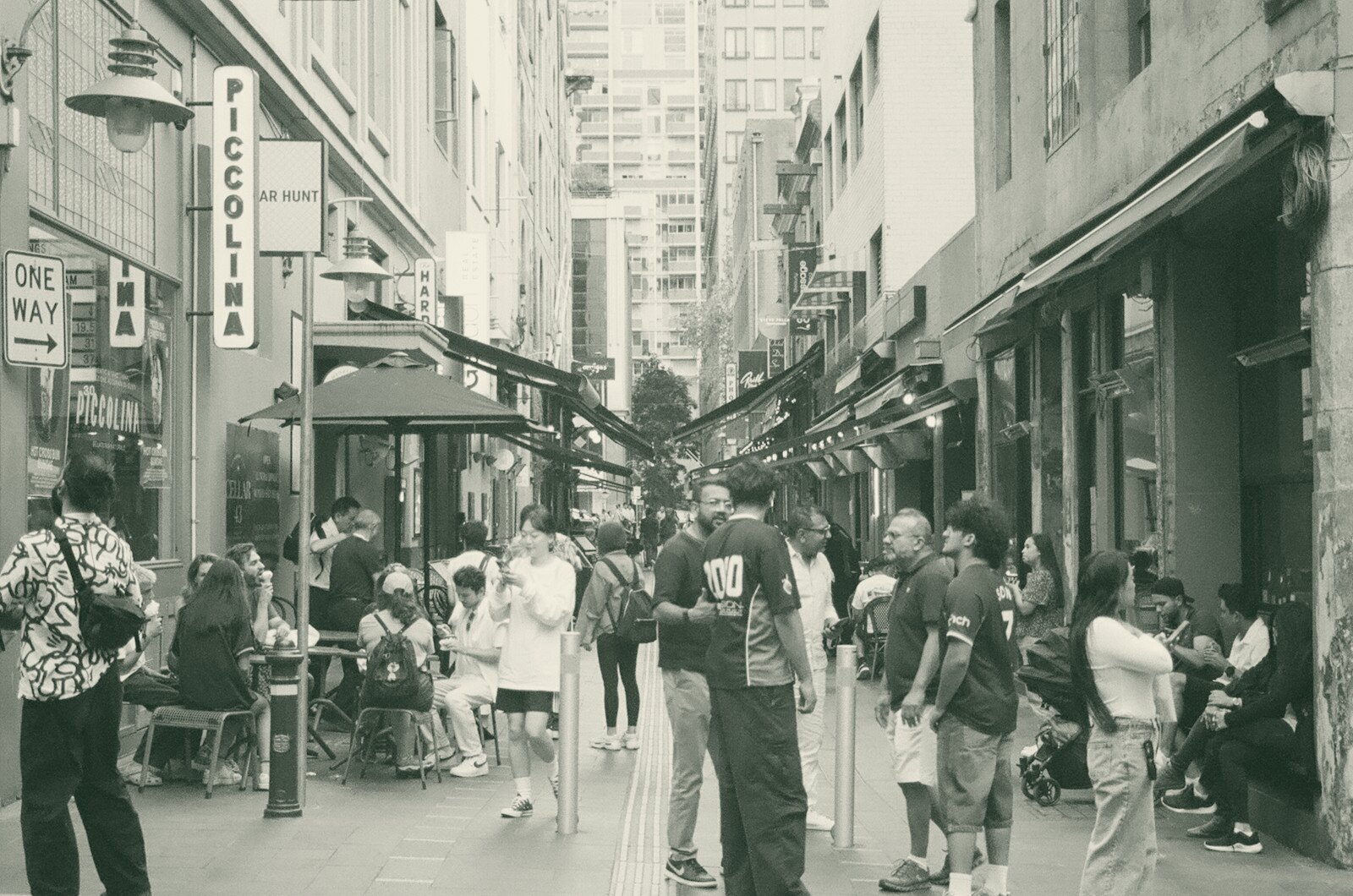
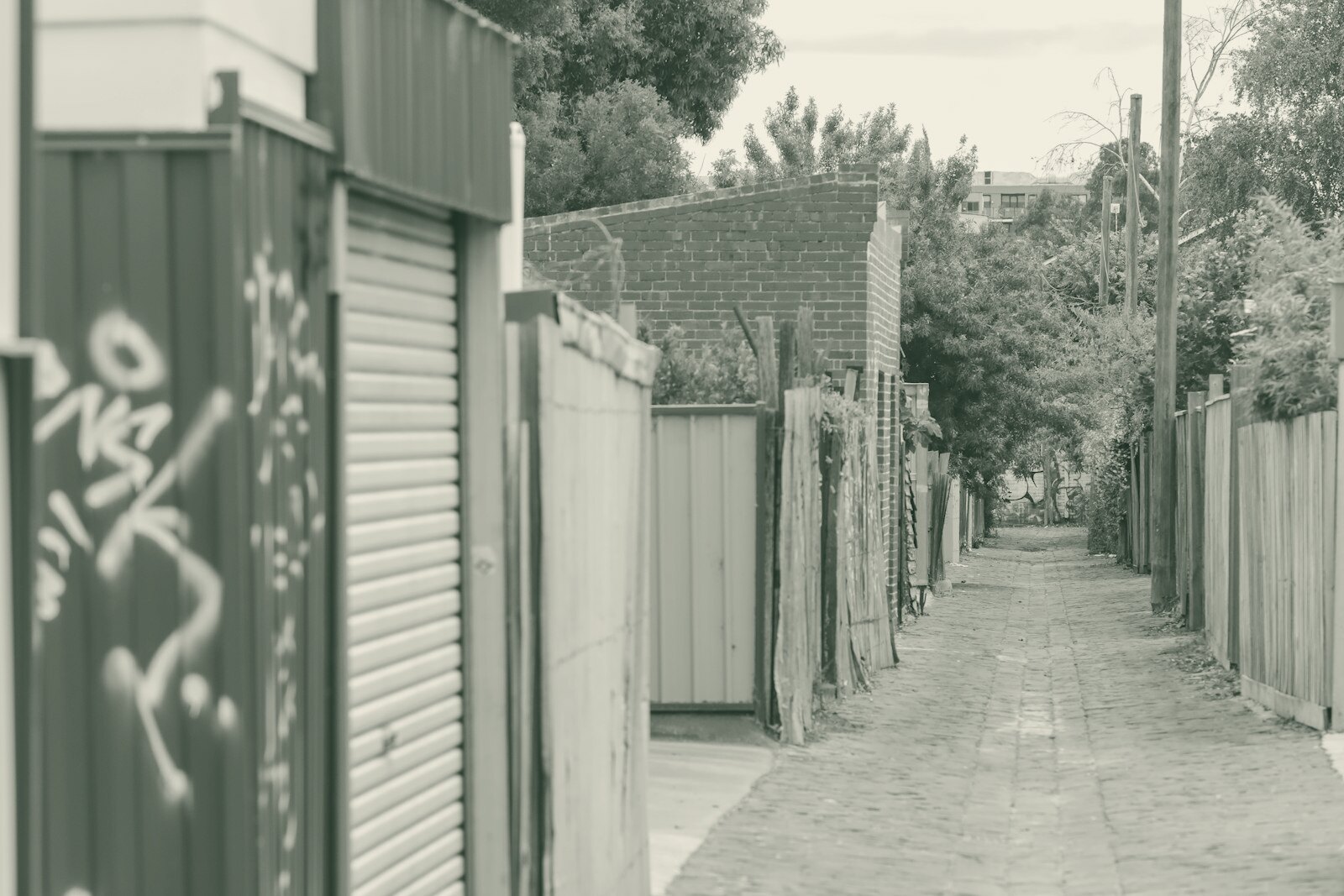
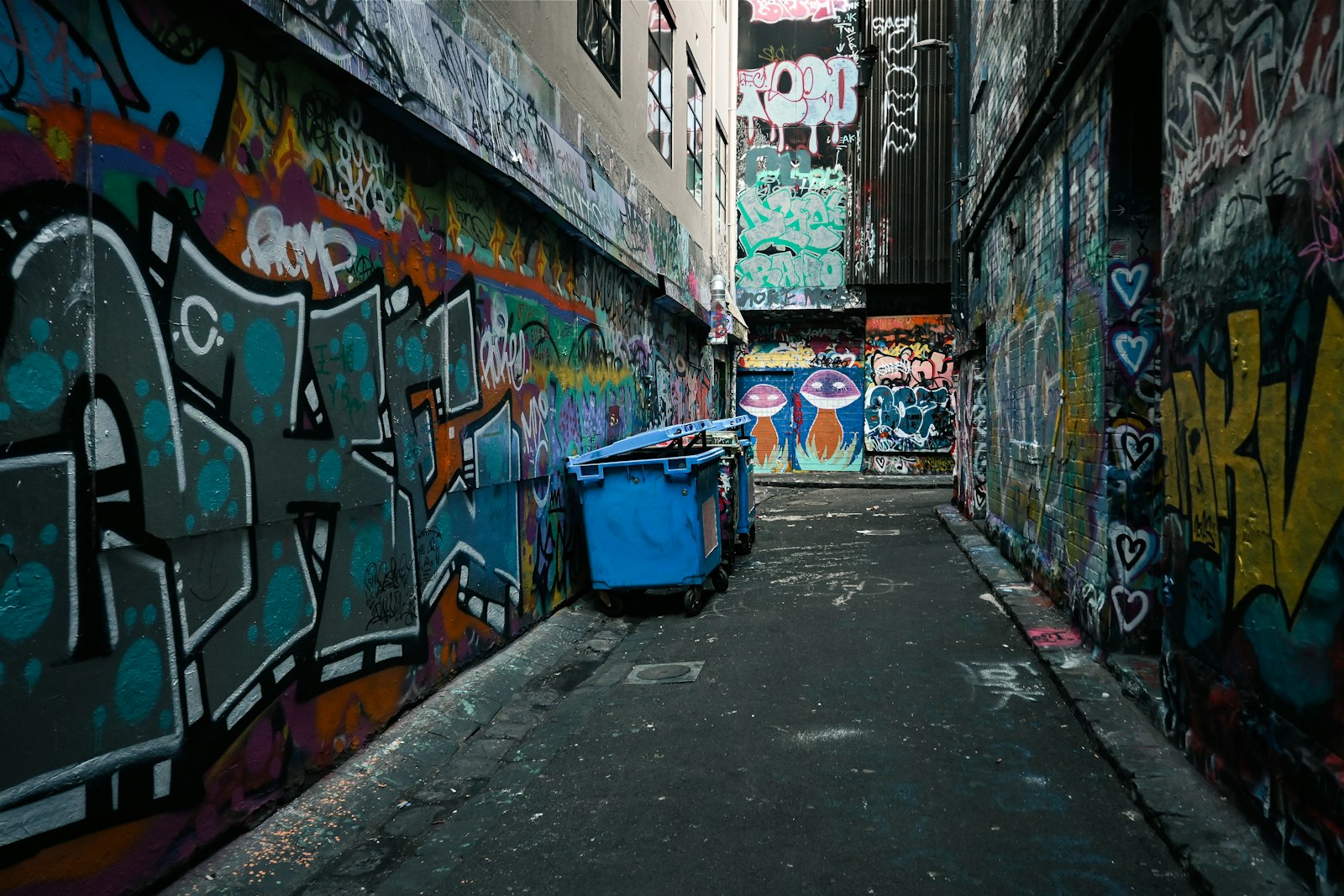
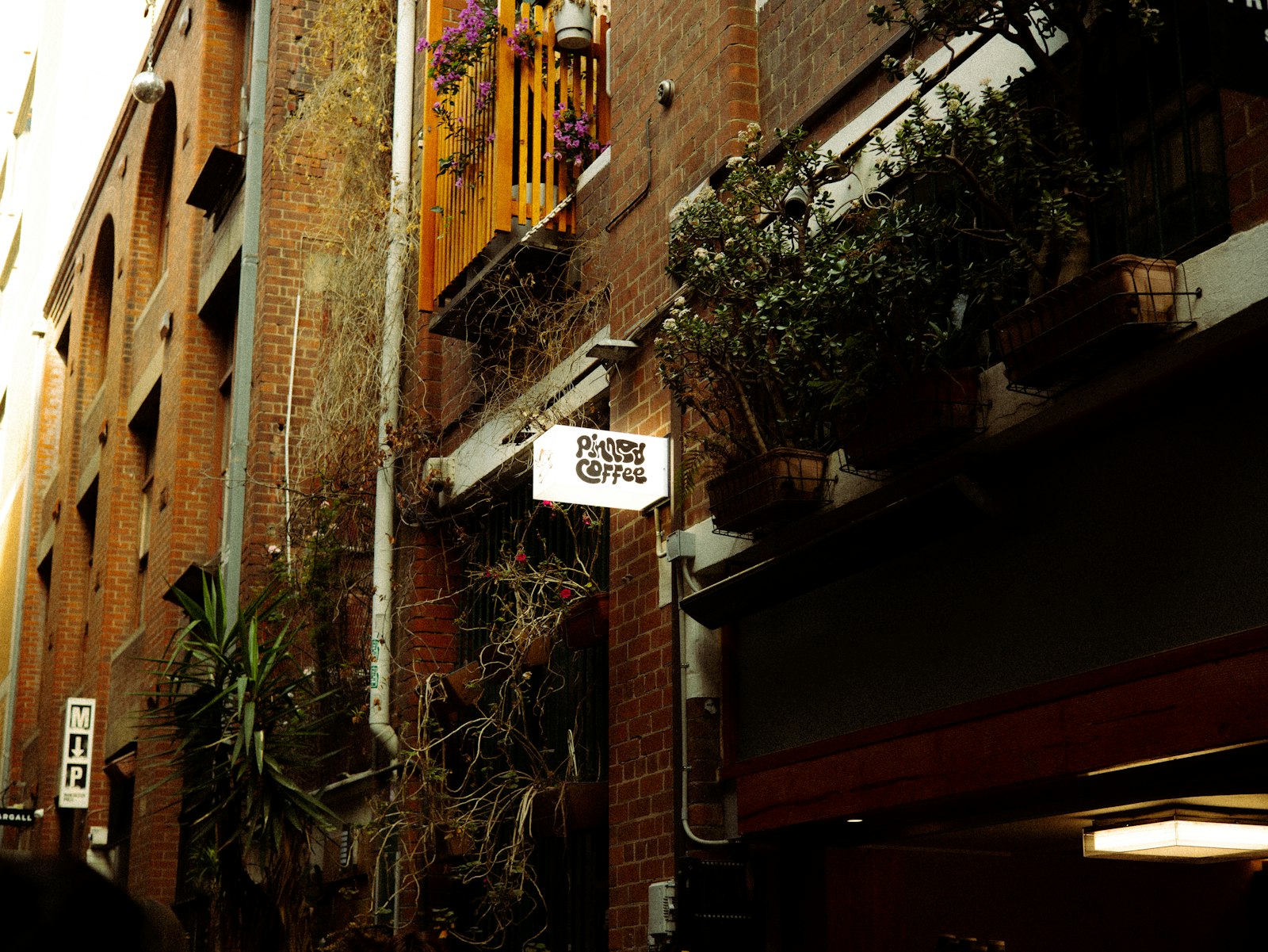
The tight, narrow spaces behind Melbourne's laneway dining scene were not a design choice made from scratch, they were inherited from old buildings, and that inheritance still shapes how you order, sit and eat today.
Behind the leafy reputation is a system of land reservations, planning rules and tree strategies that stop the city's green space from quietly disappearing.
Behind every major international exhibition at the NGV is a long-running mix of ticketing, membership and philanthropy that keeps the gallery running without charging for its permanent collection.
Behind every major event on Melbourne's sporting calendar is a deliberate strategy of shared venues, temporary infrastructure and year-round bidding that turns the city into a rotating stage.
UNESCO's designation is more than a badge on a tourism brochure, so here is how the title actually translates into libraries, bookshops, festivals and everyday literary life in Melbourne.
Melbourne's best-loved food strips did not appear by accident; each one traces back to a wave of migration, and knowing the story changes how you read the street.
Melbourne's city centre is unusually easy to navigate once you understand the simple rule that shaped it almost two centuries ago.
Melbourne's inner suburbs look so different from each other because they were built in distinct waves of boom and bust, and that history still shapes what you can buy, renovate or knock down today.
Beyond the postcode appeal, here is the practical checklist for weighing up a home near a Melbourne tram route.
Behind the famous laneways is a system of permits, permissions and council policy that quietly separates celebrated street art from a criminal offence.
Melbourne's festival calendar runs almost year-round, but knowing the difference between a fringe festival and a curated one will save you money, confusion and missed shows.
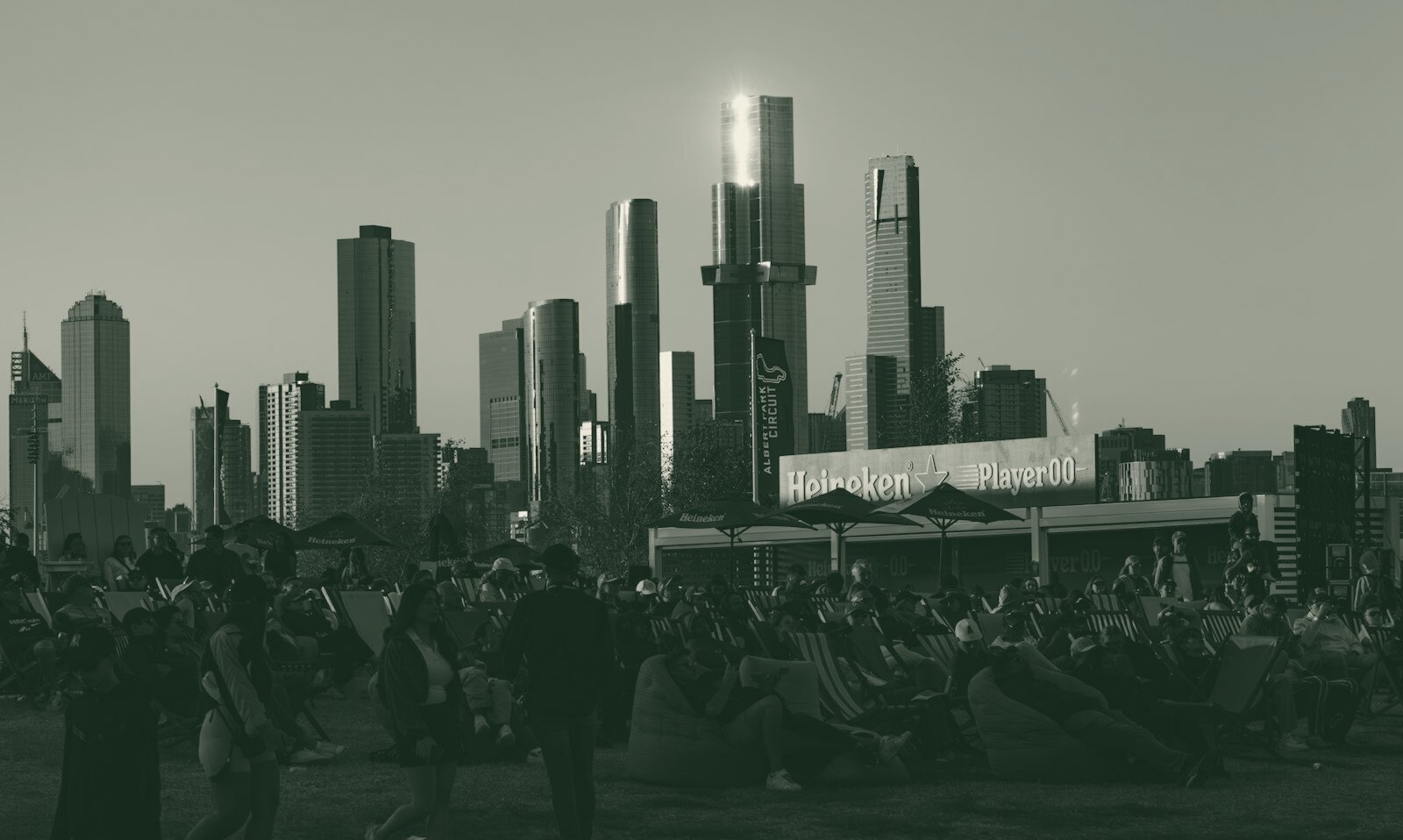
From the MCG to Albert Park, here is how to plan transport, tickets and timing around Melbourne's marquee sporting fixtures.
Melbourne's best multicultural eating is spread across the suburbs, not just the CBD, and most of it is easy to reach by train or tram if you know the practical basics first.
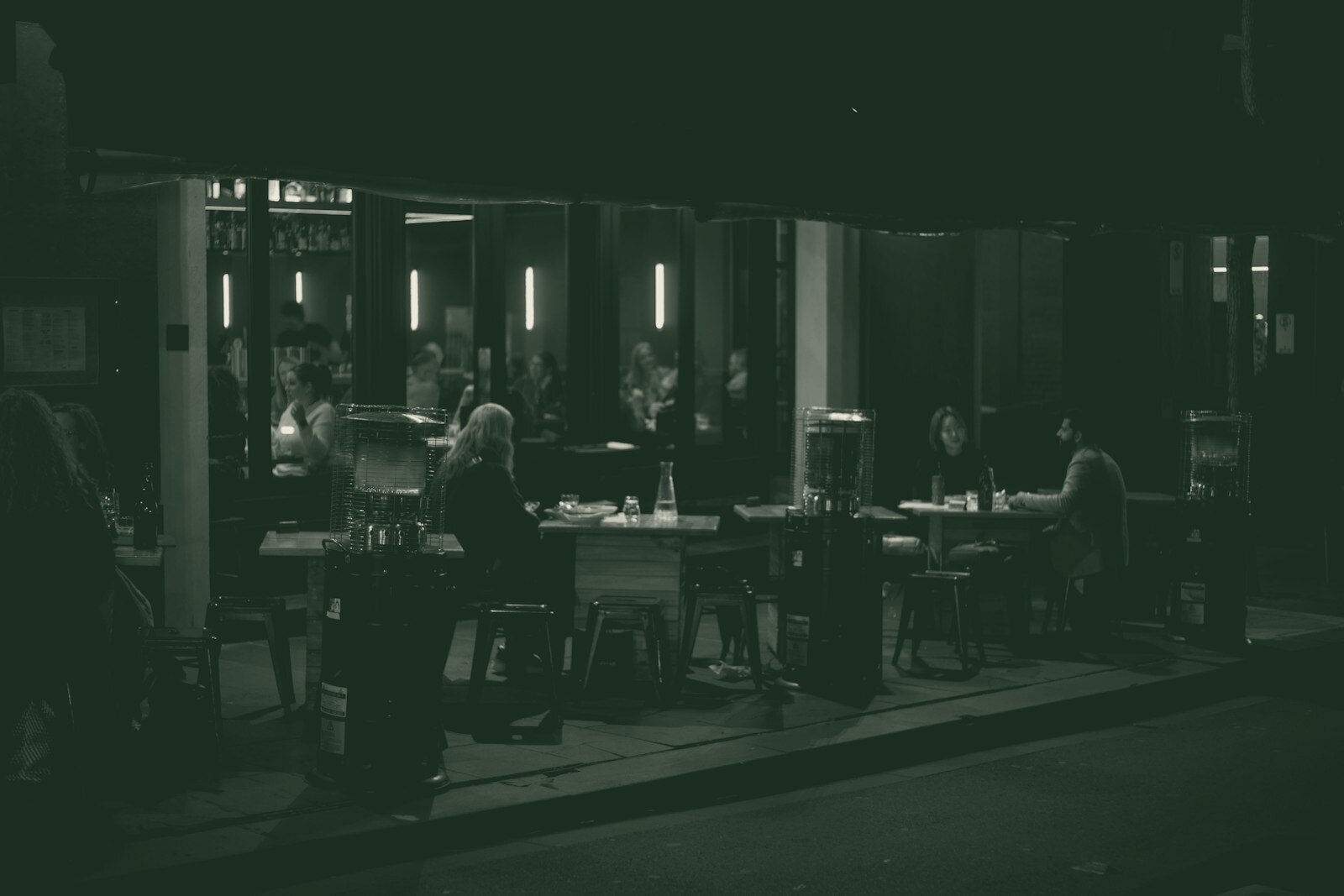
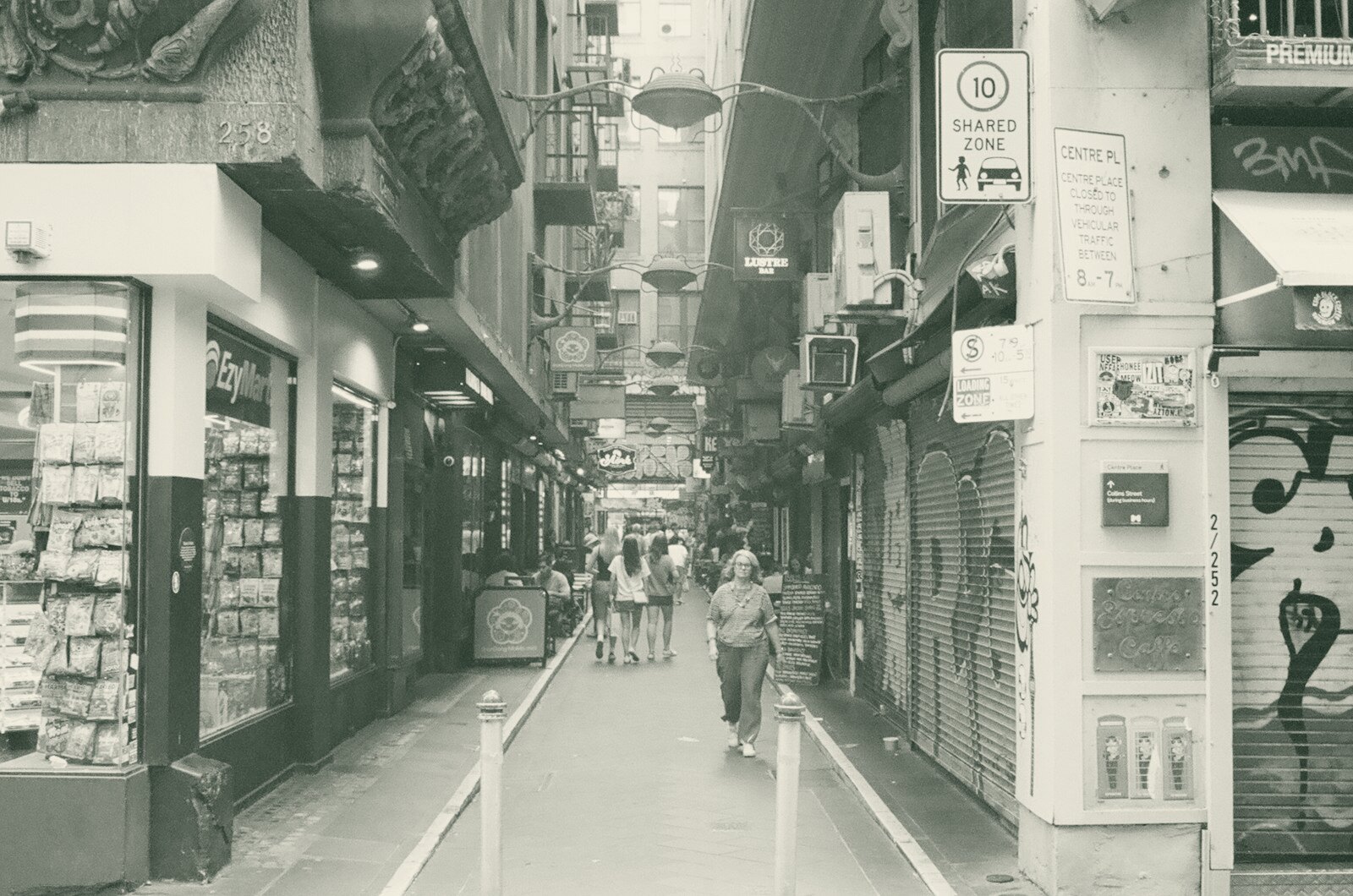
Melbourne's laneways look spontaneous, but the tables, heaters and small bars tucked into them exist because of specific planning and licensing rules worth understanding.
Two of Australia's biggest cities have spent well over a century arguing about which one does it better, and the argument itself has become part of the national culture.
Melbourne's nickname didn't come from one famous garden but from a deliberate, city-wide habit of setting land aside for parks that has lasted more than 150 years.
Melbourne's climate is famous for being changeable, so here's how to actually organise your wardrobe, your home and your habits around it.
The tight, orderly street pattern you notice the moment you arrive in the city centre was drawn up in 1837, and it still dictates how the CBD works today.
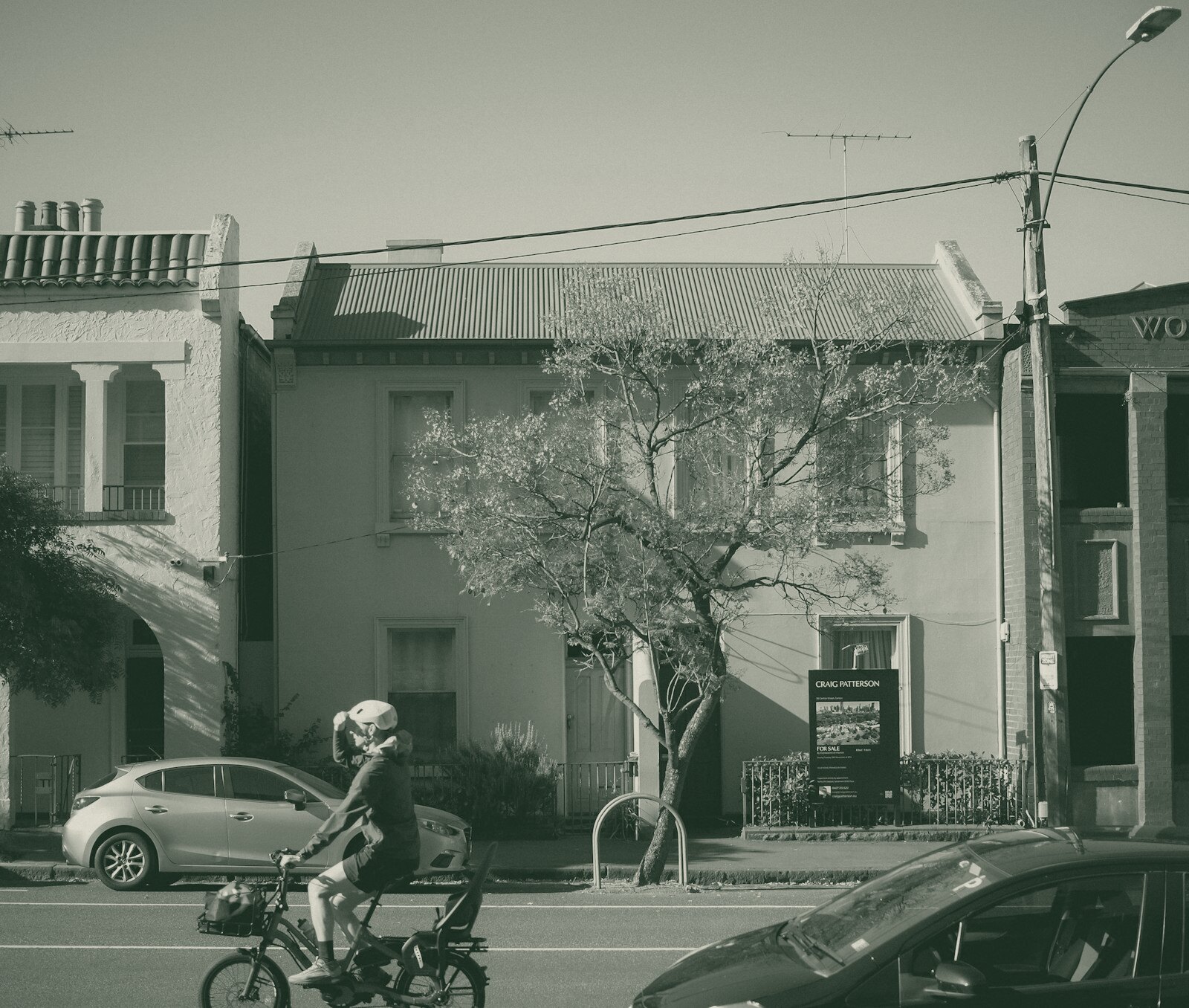
The terrace houses, workers' cottages and warehouse conversions of inner Melbourne weren't planned to look distinct from each other, but a mix of gold rush wealth, industry and migration made sure they did.
Melbourne's tram lines are not just a transport quirk, they are one of the strongest hidden influences on property values, street life and neighbourhood character across the inner and middle suburbs.
Free entry is only part of the story: a mix of blockbuster programming, architecture, philanthropy and a very deliberate strategy explains why the National Gallery of Victoria consistently draws more visitors than any other art museum in the country.
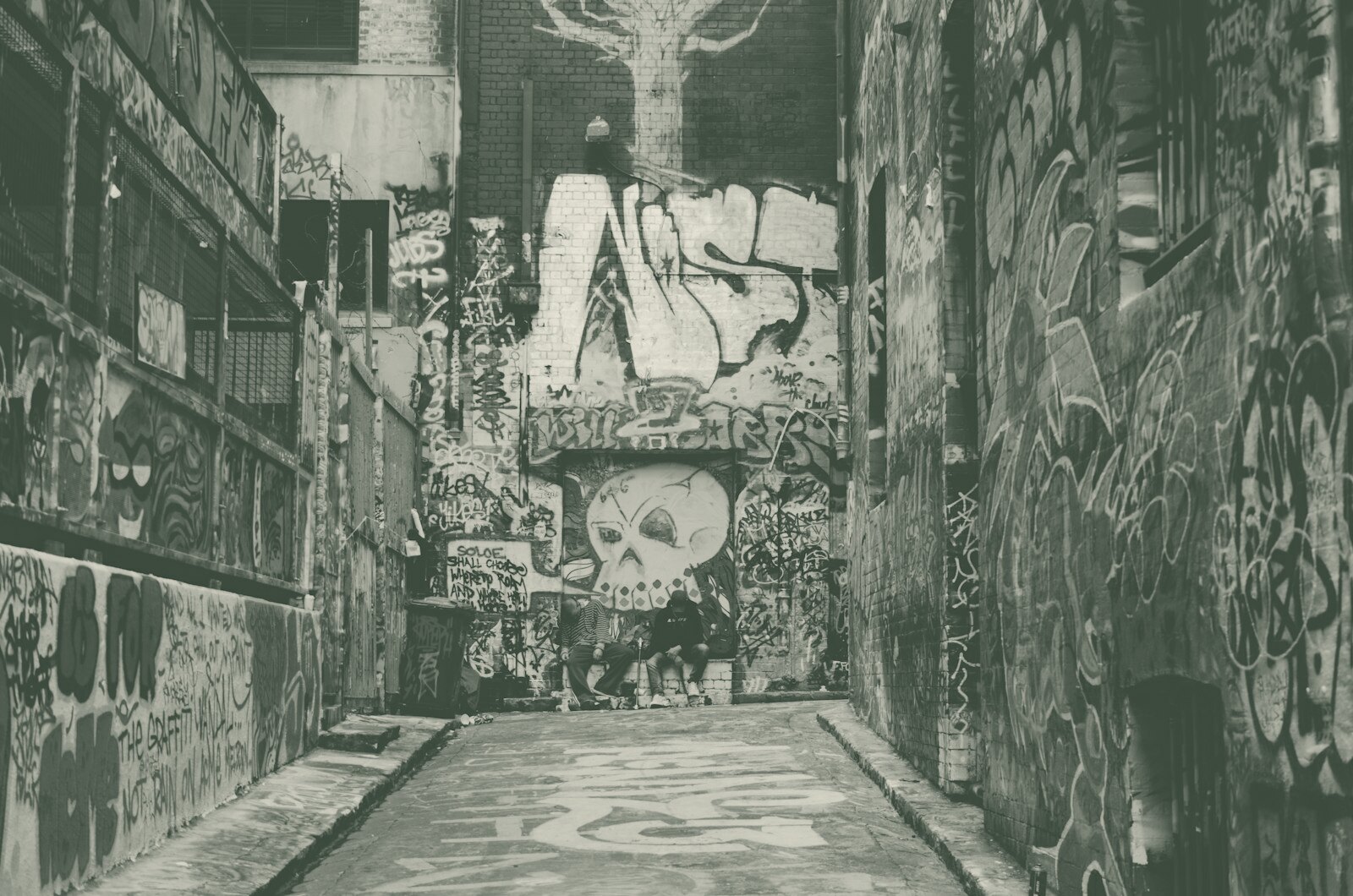
How a network of grimy service lanes went from a graffiti crackdown target to one of the most photographed urban art landscapes in the world.
Melbourne holds a rare global title for its writing culture, and the story of how and why reveals a side of the city many visitors miss entirely.
Beyond the CBD, Melbourne's suburban strips tell the story of the city's migration history one meal at a time — here's where to find them and how to explore respectfully.
Melbourne's calendar is built around a handful of major festival seasons that transform pubs, theatres and laneways into venues; here's how the system works and how to make the most of it.
Beyond finals week, Melbourne's year is built around a rolling program of major sport that reshapes transport, hospitality and precincts long before and after the final siren.
From service alleys to some of the city's most sought-after tables, Melbourne's laneways became a dining destination through a mix of planning reform, small business grit and a design sensibility that turned neglect into charm.
Why a small milky coffee became a point of national pride, and how postwar migration built the independent cafe scene Melbourne is famous for.
A short walk from the CBD, the Royal Botanic Gardens are free, open daily and one of the best things about living in Melbourne. Here is how to make the most of them.
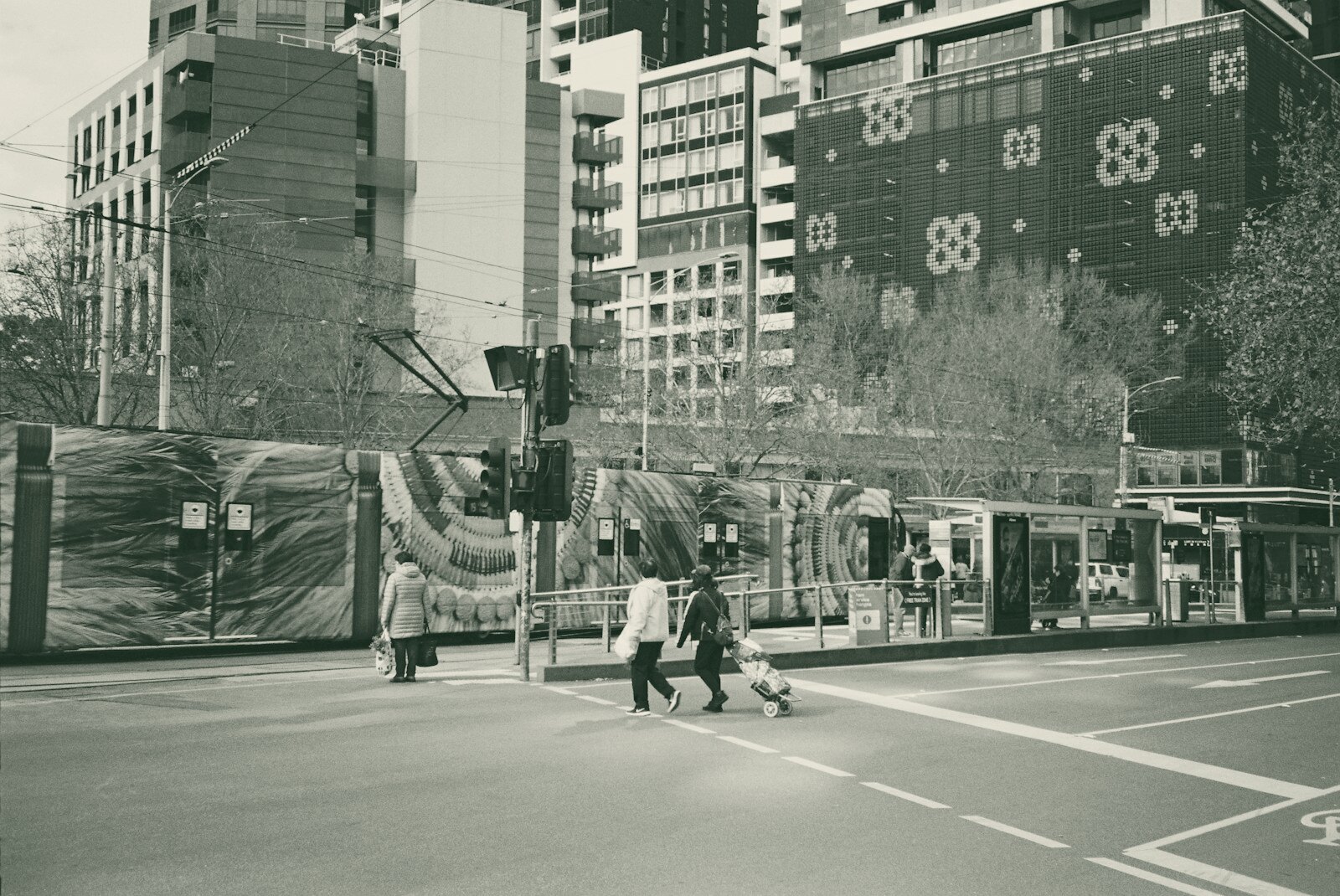
Melbourne lets you ride trams free across the city centre, but the rules trip up newcomers. Here is where the Free Tram Zone runs, and when you still need to touch on.
The central choice for anyone settling in Melbourne is between a CBD apartment and a suburban house. Here is how the two ways of living really differ, beyond the floorplan.
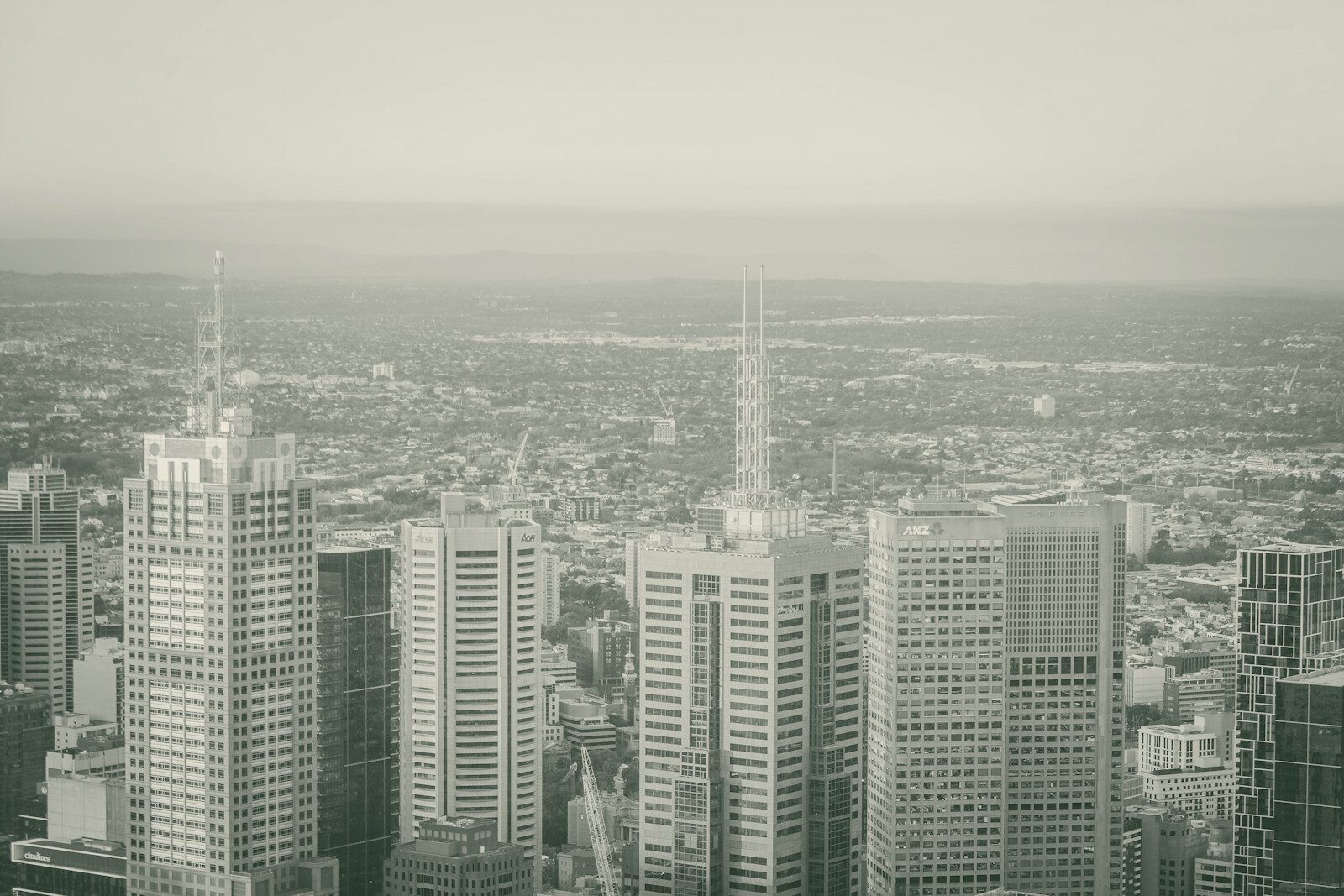
Melbourne is a city of distinct neighbourhoods, and choosing between them matters more than the exact street. Here is how the main areas differ in character, before you look at any listings.
Melbourne's laneway street art is one of the city's signatures, and it changes constantly. Here is where to find it, and how the city ended up with sanctioned graffiti in its centre.
The National Gallery of Victoria is the busiest gallery in the country and its general entry is free. Here is how its two sites work and how to plan a visit.
Markets are one of the best ways to spend a Melbourne weekend, from the historic food halls to the artist stalls of the inner north. Here is how to plan a run of them.
Melbourne organises much of its year around a handful of major events. Here is the calendar that locals plan around, from Moomba in March to the Cup in November.
Melbourne treats the weekend cafe breakfast as something close to a civic ritual. Here is how the city's brunch culture works, and how to order without looking new in town.
The Queen Vic Market has fed Melbourne for more than a century. Here is how to shop and eat there without wasting the trip, including the days it is closed.
The line about Melbourne having four seasons in one day is a cliche because it is true. Here is why the city's weather swings so fast, and how locals actually dress for it.
Melbourne is one of the only cities in the world with a public holiday for a football match it has not yet played. Here is how Grand Final Friday works, and what actually happens across the long weekend.
Late winter is quietly one of the best times to be in the city, if you plan around the cold rather than against it. Here is how to spend a weekend well, indoors and out.
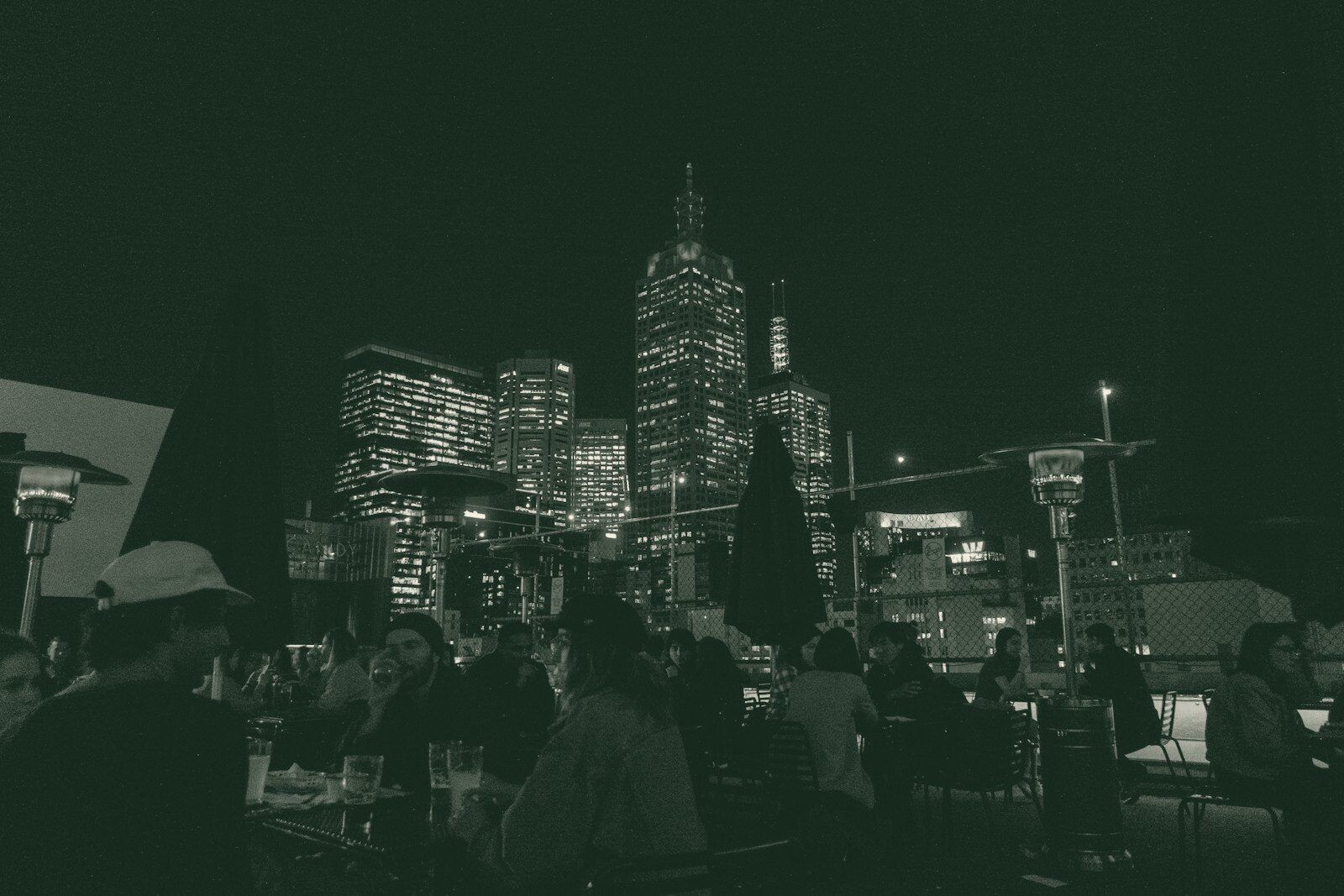
Melbourne's rooftop bars are a warm-weather institution and a cold-weather surprise. Here are the CBD and inner-city ones worth the climb, and how to use them well.
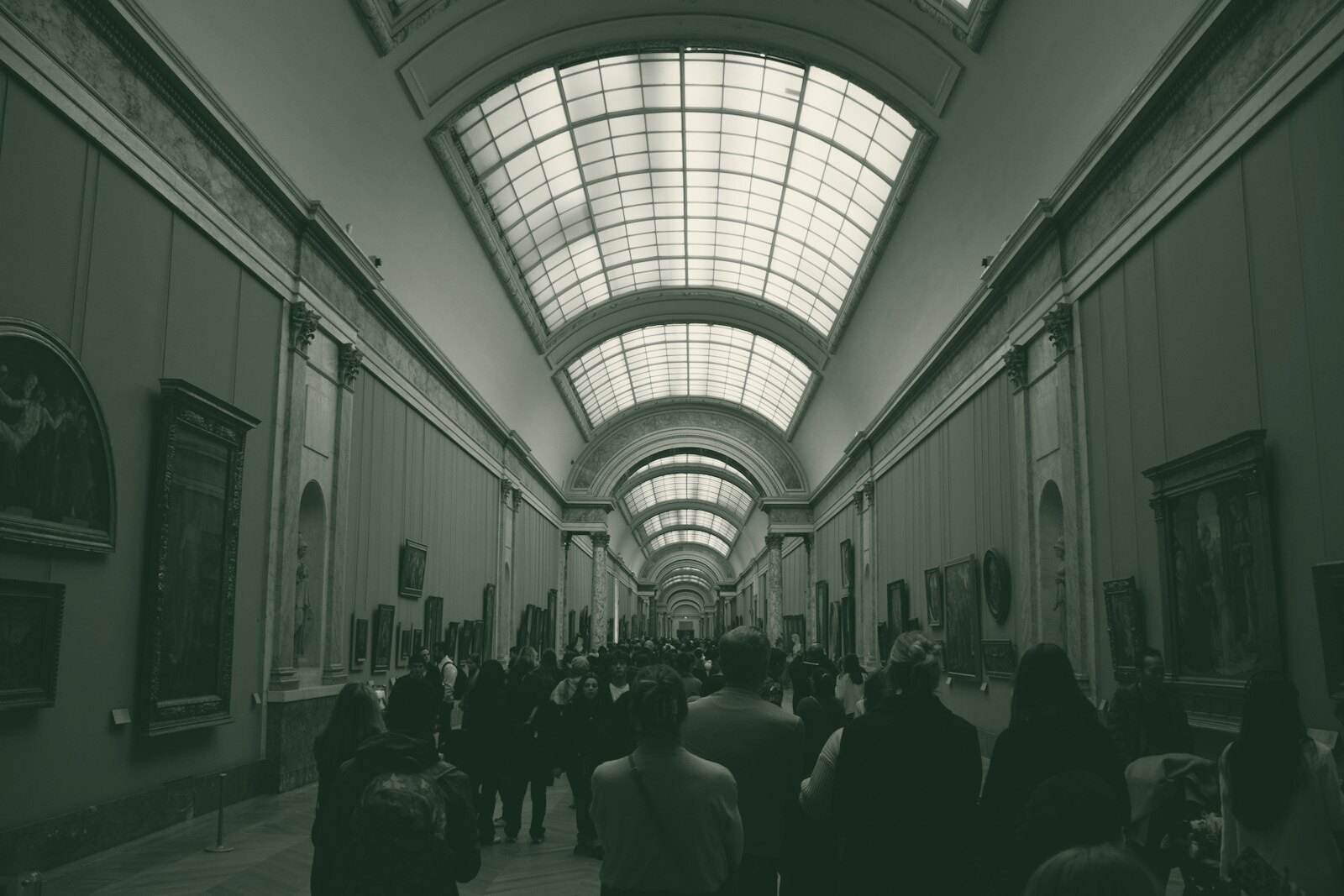
Melbourne's big cultural institutions are world class, close together and, in most cases, free to walk into. Here is how to see the best of them without paying for what you do not need to.
Melbourne's oldest suburb is still its most characterful. Here is how to spend a day in Fitzroy, from Brunswick Street to the Saturday art market, without doing the obvious tourist loop.
Melbourne calls itself the coffee capital of the world, and the laneways are where the claim is made. Here is how the city's coffee culture actually works, and how to order like a local.
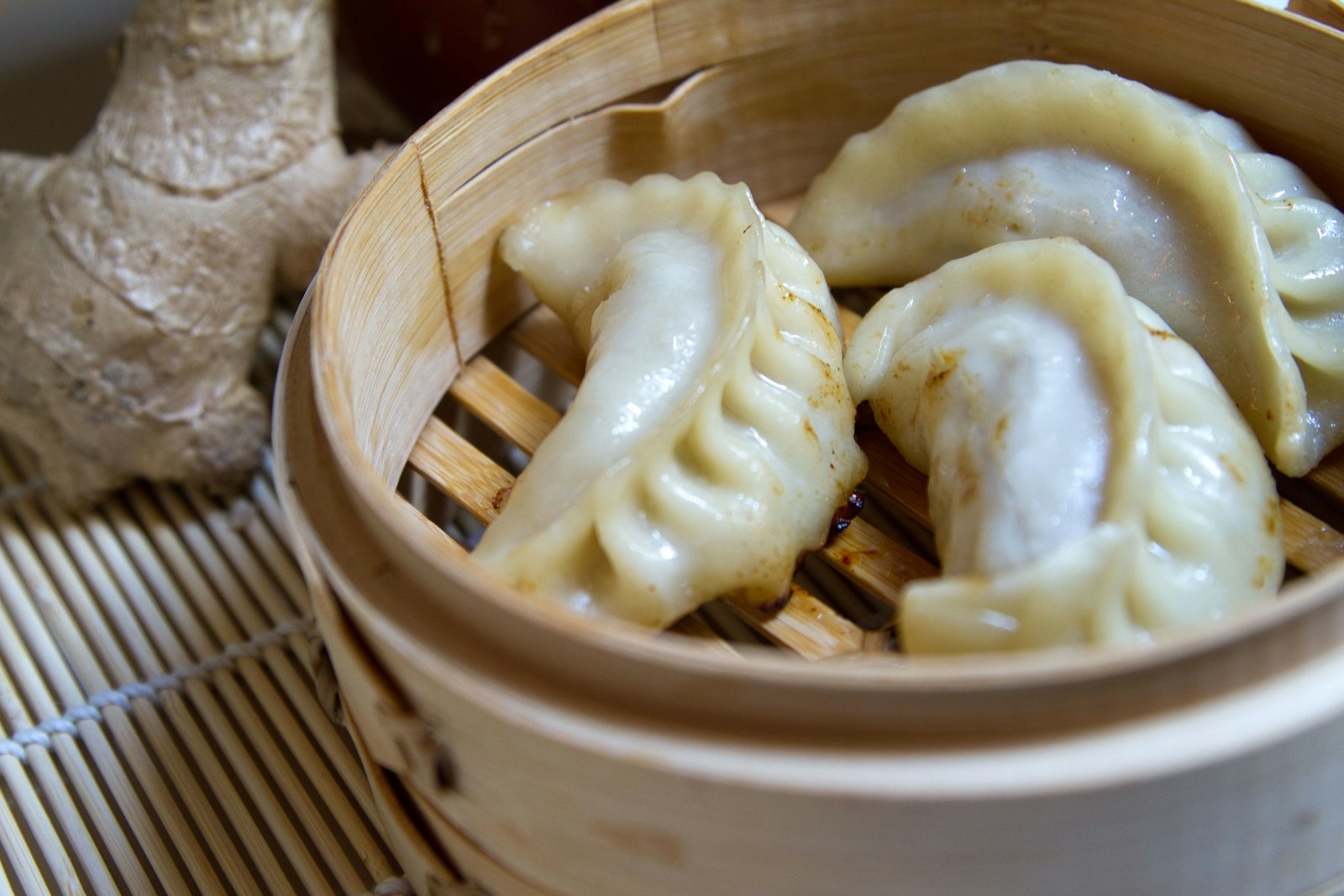
Melbourne's Chinatown is one of the oldest in the western world and still one of the best places in the city to eat. Here is how to navigate it, and what to order, dumpling by dumpling.
Some of the best of Melbourne costs nothing at all - the galleries, the gardens, the trams and the markets. Here is how to fill a day in the city without opening your wallet.