A guide to Melbourne's weekend markets
Markets are one of the best ways to spend a Melbourne weekend, from the historic food halls to the artist stalls of the inner north. Here is how to plan a run of them.
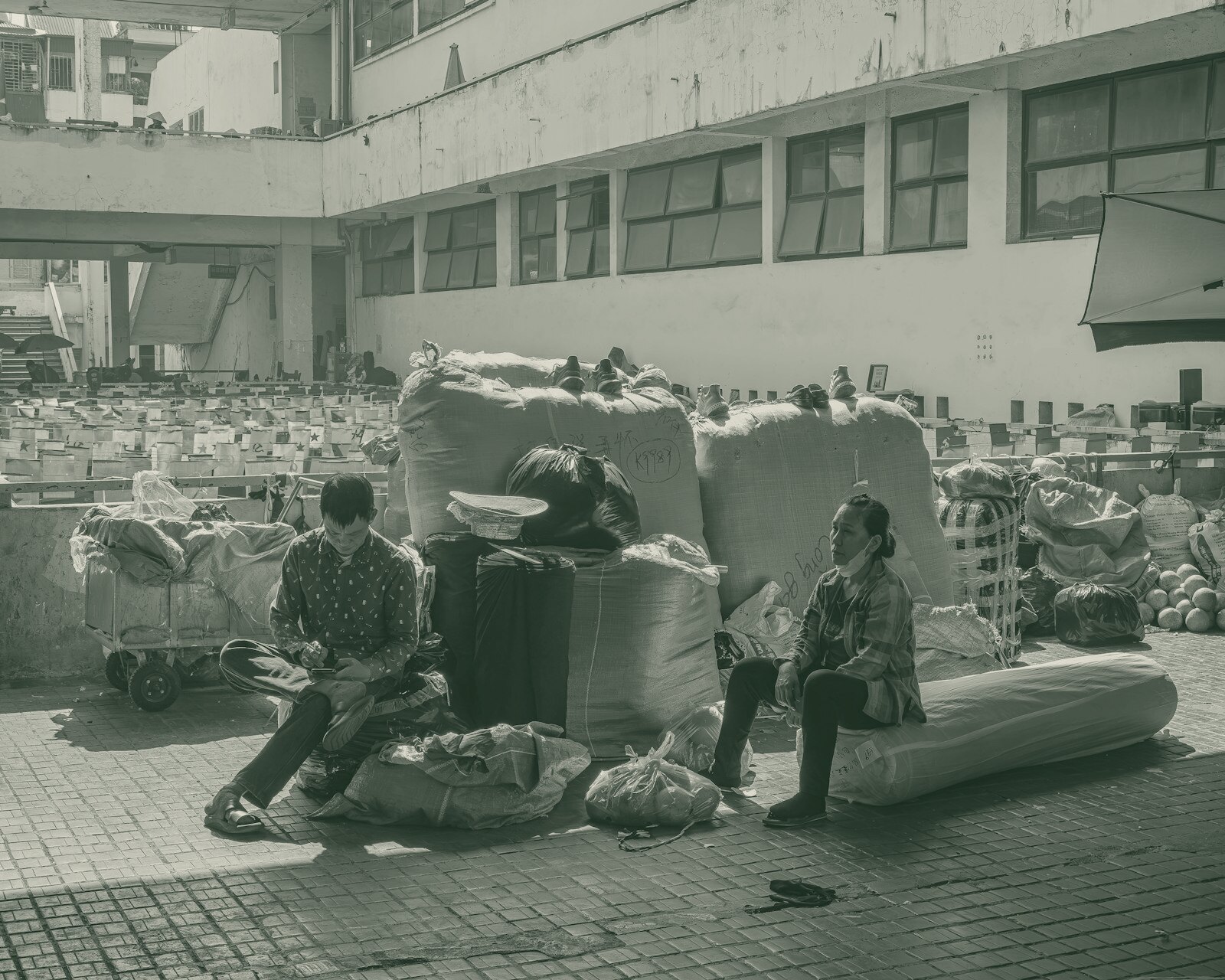
The short answer: build a weekend around one big food market and one smaller maker or design market, go in the morning, and check each market’s own trading days before you set out, because they do not all open on the same days. The two anchors most people start with are the Queen Victoria Market for food and the Rose Street Artists’ Market for design and craft.
Markets are where a lot of Melbourne’s weekend life actually happens, and they are a low-cost, high-reward way to get a feel for the city and its neighbourhoods.
Where should you start?
Queen Victoria Market, on the northern edge of the CBD, is the historic heart of the city’s market culture and the obvious first stop. It trades Tuesday, Thursday, Friday, Saturday and Sunday and is closed Mondays and Wednesdays, so a weekend visit is straightforward. Come for the Deli Hall, the fresh produce and the specialty traders, and go early for the best of it.
The Rose Street Artists’ Market, in Fitzroy, is the counterpoint: a long-running weekend market of independent artists, designers and makers selling their own work. It is a good place to buy something that was actually made in Melbourne, and it pairs naturally with a wander down Brunswick and Gertrude Streets.
How do you plan a market weekend?
Treat the markets as the spine and the neighbourhood as the flesh. A classic run is Queen Victoria Market in the morning for food, then across to the inner north for the Rose Street market and the surrounding shops and cafes. Each sits in a walkable district, so you get the market and the area in one trip.
Go in the morning. Food markets are freshest early and the maker markets are calmest before the afternoon crowds. Bring both cash and a card, a bag for anything you buy, and layers, because market halls and open-air stalls run cooler than the street.
What else is out there?
Beyond these two, Melbourne has a deep bench of markets, neighbourhood food markets, farmers’ markets, night markets in the warmer months, vintage and design fairs, spread across the city and its suburbs, many on their own weekly or monthly schedules. The catch is that trading days vary widely and some are seasonal, so the one rule that always applies is to confirm the day and hours on the market’s own site before you travel. Start with the two anchors above, and let the neighbourhoods lead you to the rest.