Melbourne's suburban food precincts: a practical guide to getting there without a car
Melbourne's best multicultural eating is spread across the suburbs, not just the CBD, and most of it is easy to reach by train or tram if you know the practical basics first.
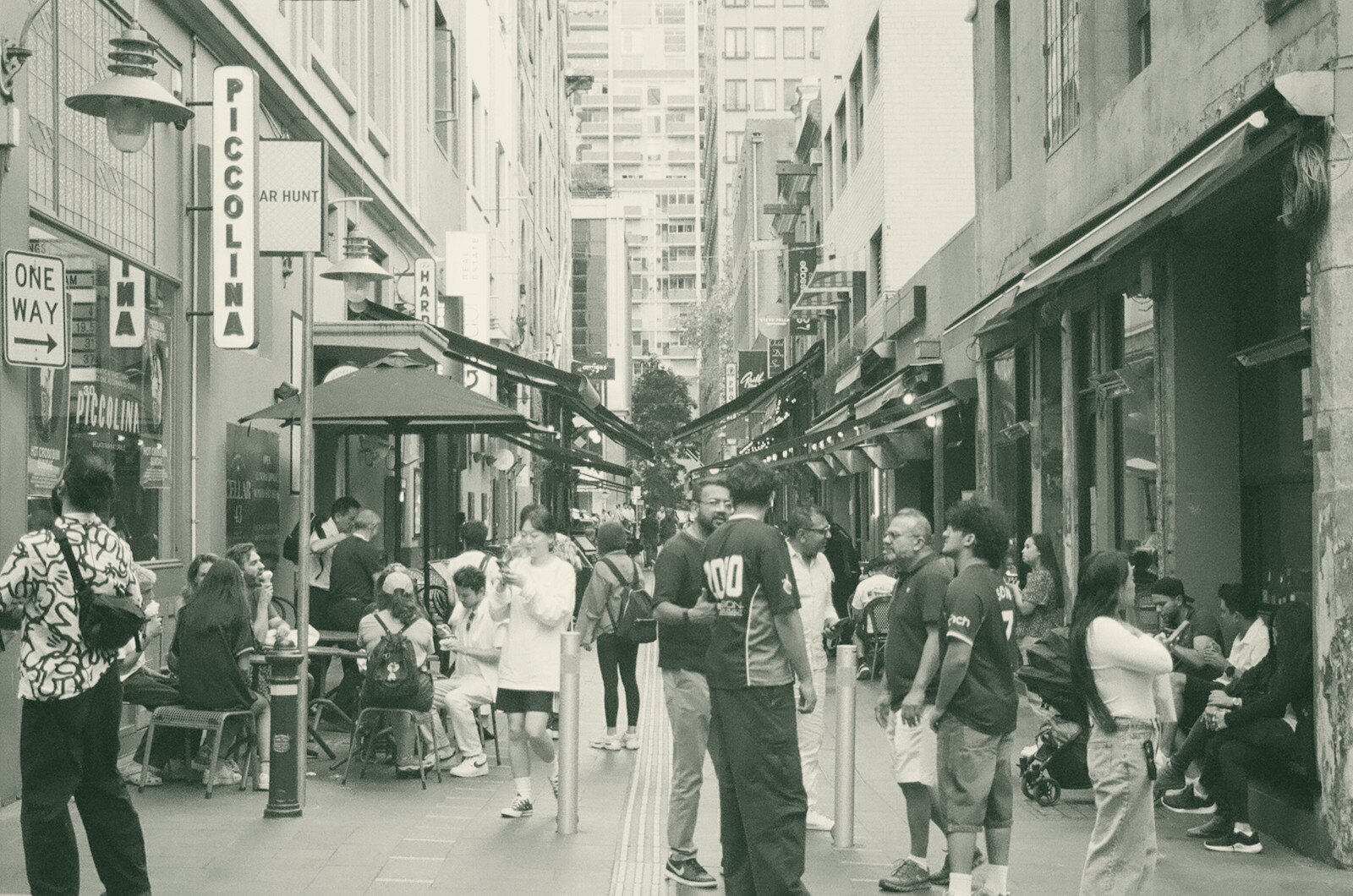
Why the suburbs, not just the city centre
Melbourne’s most interesting eating is rarely confined to the CBD. Waves of migration since the mid-20th century settled in particular suburbs, and the food followed: Vietnamese cooking took root around Footscray and Springvale, Italian delis and cafes anchored parts of the inner north, Greek bakeries and grills spread through the eastern suburbs, and newer Chinese, Malaysian and Sri Lankan communities have shaped areas like Box Hill and Glen Waverley. These precincts developed organically around where people lived and worked, which means they sit well outside the tourist core. The upside for visitors is that the food is generally cheaper and more authentic than city-centre versions aimed at passing trade. The practical challenge is getting there, working out when things are open, and knowing what to expect once you arrive.
Getting there without a car
Melbourne’s train network radiates from the city centre, and many food precincts sit directly on a line, which makes them straightforward day trips even without a car. As a general approach:
- Check the current train line and station for your destination suburb before you go, since some precincts (Footscray, Springvale, Box Hill, Glen Waverley) are a short walk from the station, while others require a connecting tram or bus.
- Off-peak trains run less frequently, so it is worth checking timetables rather than assuming a train every few minutes, particularly on weekends and public holidays.
- Myki is the standard way to pay across Melbourne’s trains, trams and buses. If you are new to the system, it is worth understanding how fares and touching on and off work before you travel, rather than guessing at the platform.
- Many precincts are walkable once you arrive. Footscray, for example, clusters much of its food around the station and market, so a day trip does not require further transfers.
PTV (Public Transport Victoria) publishes live timetables, route planners and Myki guidance, and is the most reliable place to confirm details before heading out, since services and fares are reviewed periodically.
What to expect once you’re there
Suburban food precincts operate differently from CBD dining strips, and a few practical habits make the visit smoother.
Cash still matters. While card payments are now widespread, some smaller stalls, bakeries and market vendors in these precincts still prefer or only take cash. Carrying a modest amount of cash avoids awkwardness at the counter.
BYO is common. Many family-run restaurants in these areas are licensed for BYO wine, and some do not serve alcohol at all. It is worth checking a venue’s own signage or listing rather than assuming a full bar will be available, and note that a small corkage fee may apply.
Opening hours cluster around meal times. Unlike CBD cafes that run long hours for office workers, many suburban eateries open for a lunch service, close in the afternoon, and reopen for dinner. Turning up mid-afternoon expecting a hot meal can lead to disappointment, so checking hours in advance is worthwhile.
Trading can be lighter on quiet weekdays. Some of the best-known stalls in market-adjacent precincts trade only on certain days, particularly around produce and wet markets, so it pays to check before planning a special trip.
Etiquette worth knowing
Most precincts are unpretentious and welcoming, but a little awareness helps. Ordering at the counter first and finding a table after is standard in many casual eateries. Sharing tables during busy lunch periods is normal and not considered rude. Tipping is not expected in the way it is in some other countries; rounding up or leaving small change is appreciated but never obligatory. If a menu is only in the community’s language with limited English, staff are generally happy to help if asked, and pointing at another table’s dish is a perfectly normal way to order.
Combining precincts into a day
Because these areas sit on different train lines, it is rarely practical to combine more than one or two in a single day without a lot of transit time. A more realistic approach is to pick one precinct, allow a few hours to wander, eat, and browse any attached market or grocers, and treat it as a proper day trip rather than a quick stop. Checking a route planner in advance for the return journey matters too, since some suburban lines run less frequently in the evening.
Before you go
Transport routes, fares and ticketing systems are reviewed from time to time, so it is worth checking PTV directly for current timetables and Myki information before travelling. Visit Victoria’s official site is also a useful starting point for confirming which suburbs are associated with particular cuisines and any seasonal market days, since these can shift over time.