Melbourne's laneway coffee culture, explained
Melbourne calls itself the coffee capital of the world, and the laneways are where the claim is made. Here is how the city's coffee culture actually works, and how to order like a local.
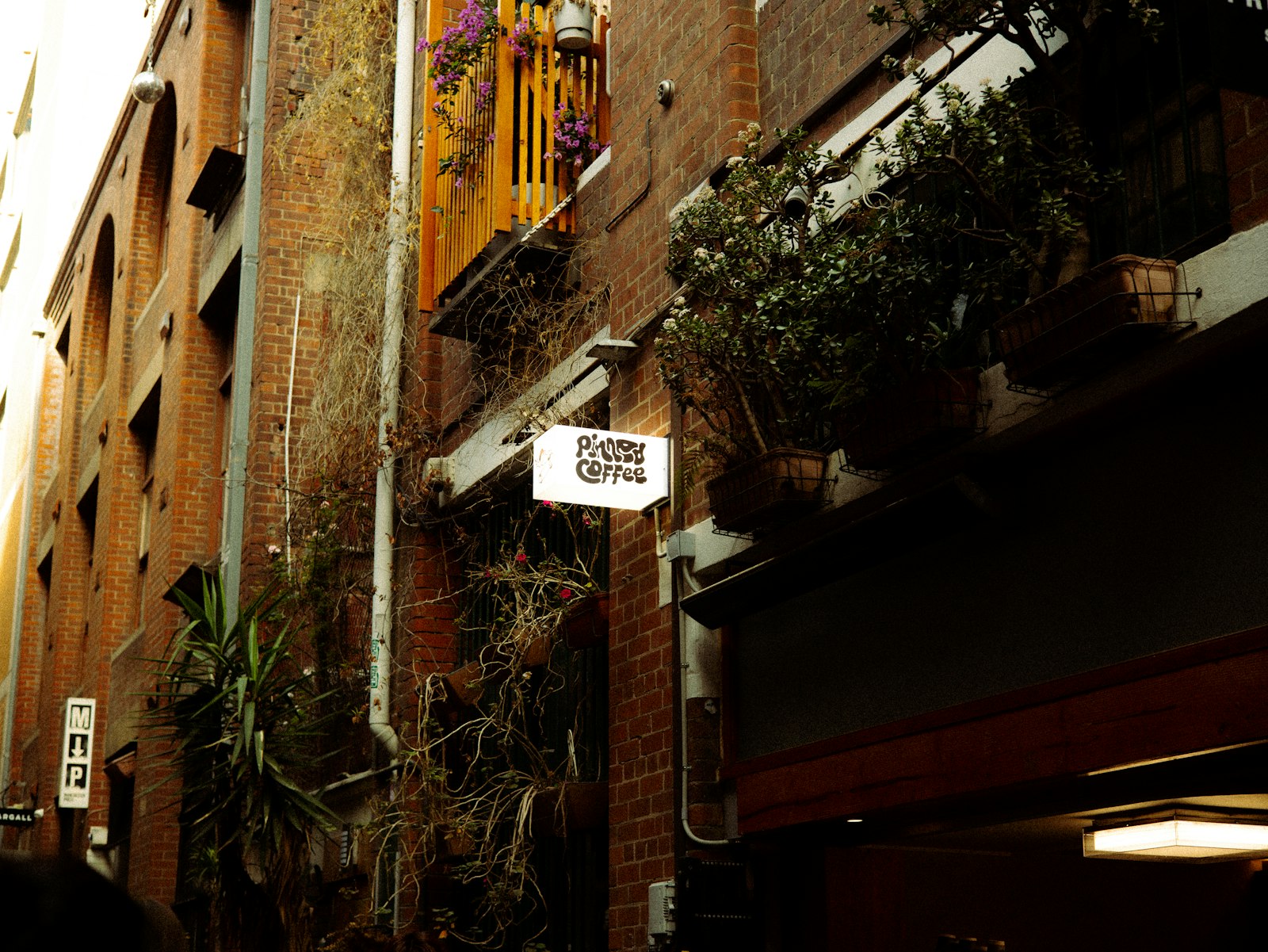
The short answer: Melbourne’s coffee culture is built on independent cafes, house-roasted beans and a strong espresso tradition, and the laneways of the CBD are its shop window. To fit in, order by the Australian names - a flat white, a long black, a magic - and expect it to be good almost everywhere.
Melbourne takes coffee more seriously than almost any city in the world, and it is not just marketing. The city’s cafe scene grew out of postwar European migration, matured into a wave of independent roasters, and settled into a culture where a good espresso is a baseline expectation rather than a treat. In this guide we explain how that culture works, where the laneways fit, and what to order so you do not give yourself away as new in town.
Why is Melbourne known for coffee?
Because independence and quality are the norm here, not the exception. The city is dominated by small, owner-run cafes rather than international chains, and a large share of them roast their own beans or buy from local roasters they can name. Competition is fierce and the baseline is high, which is why a random cafe down a side street will usually pour you something better than a flagship elsewhere.
The roots run to the mid-20th century, when Italian and Greek migration brought espresso machines and a cafe habit to the city. What began on streets like Lygon Street in Carlton spread into a citywide culture, and eventually into the laneways.
What do the laneways have to do with it?
The laneways are where Melbourne’s cafe culture is most concentrated and most visible. The narrow lanes threading through the CBD - lined with cafes, hole-in-the-wall espresso bars, street art and outdoor tables - are the postcard image of Melbourne coffee, and for once the postcard is accurate.
A few worth knowing by name:
- Degraves Street, off Flinders Street, is the classic - a short, cafe-packed lane that is many visitors’ first taste of the scene.
- Centre Place, nearby, is narrower and grittier, with espresso bars you order from standing up.
- Hardware Lane is wider and more restaurant-lined, good for a sit-down.
The lanes also double as the city’s open-air gallery - Hosier Lane’s street art is a short walk away - so a coffee crawl is a sightseeing route as much as a caffeine run.
How do you order coffee like a Melburnian?
Learn the local names and you will never look lost. Australian coffee ordering has its own vocabulary, and Melbourne runs on it:
| You want | Order this |
|---|---|
| Espresso with steamed milk, no foam to speak of | Flat white |
| Espresso, hot water, no milk | Long black |
| Single-origin, milk, short - a Melbourne specialty | Magic |
| Espresso with a splash of milk | Piccolo or macchiato |
| Filter/batch brew | Filter or batch |
The flat white is the default, the long black is the black-coffee standard, and the magic - a double ristretto with steamed milk in a smaller cup - is close to a Melbourne invention and a good tell that you know the city. Ask for “a coffee” and a barista will gently ask you to be more specific.
Is it expensive, and is it worth it?
Melbourne coffee is not cheap, but it is consistent, and consistency is the point. You are paying for good beans, a skilled barista and, often, a cafe roasting on-site - and the near-guarantee of quality across the city is genuinely unusual. It is one of the everyday pleasures that makes the city’s winter far more bearable than the weather suggests.
Where should you start a coffee day?
Start in the CBD laneways if you want the classic experience, or head to the inner north if you want the neighbourhood version. Degraves Street and Centre Place give you the concentrated, tourist-friendly hit; Fitzroy, Carlton and Brunswick give you the same quality with more elbow room and more regulars - our local’s guide to Fitzroy is a good companion here.
Either way, the rule is the same: walk in somewhere small and independent, order by the local name, and trust that the city has your back. In Melbourne, a bad coffee is genuinely hard to find - which, once you have lived here a while, quietly ruins you for everywhere else.